

Image Credit: Pinterest
Joy Olu-Ajayi
As exam season approaches, so does that all-too-familiar and unwelcome guest; the biting chill of cold weather, and while most students are busy trying to catch up on their revision, attending late-night classes, and finishing assignments, very few stop to think about how the cold can sneak in and take a toll on their health. From runny noses to sore throats, persistent coughs, and that annoying fatigue, many students find themselves fighting off illnesses just when they need their energy and focus the most.
But here is the kicker: getting sick during exams does not just take a toll on your body, it can throw a wrench in your academic performance and mental clarity. That is why it is important to understand how cold weather affects students and what we can do to stay healthy, especially during those late-night study sessions.
The Chilling Truth: How Cold Weather Affects Students
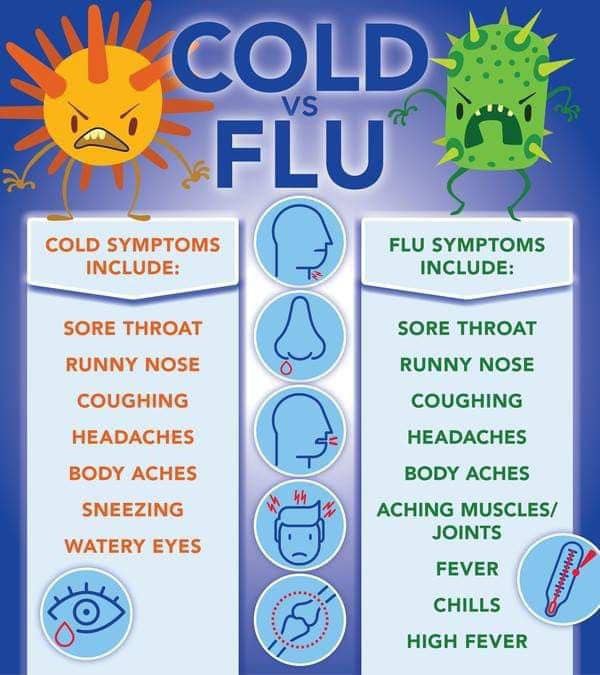
Cold weather itself does not directly cause illness, but it creates the perfect breeding ground for viruses like the flu and the common cold. During this time, students often find themselves dealing with fluctuating temperatures, stuffy reading rooms and very weakened immune systems due to stress.
These factors make students more vulnerable to infections and the cold air can dry out the mucous membranes in the nose and throat, which reduces the body’s natural defenses against viruses. When you add exhaustion and poor nutrition during exams into the mix, it can really take a toll on your immune system. A simple sore throat can quickly turn into a high fever or a very bad cough, probably a few days before a big exam.
On top of that, the physical discomfort that comes with cold weather like sore throats, headaches, catarrh and overall tiredness can really hinder your ability to concentrate. When students are not feeling their best, it is no surprise that their motivation to hit the books takes a nosedive, making it harder to grasp anything at that point in time. Cold weather can really amplify mental fatigue, especially if someone is not dressed warmly enough or spends too long in chilly places.
Night Reading: A Hidden Risk
Many university students have a habit of reading at night, often because it is quieter and there are fewer distractions, but those late-night hours also bring the coldest temperatures. Students who find themselves in open lecture halls or shaded areas often end up underdressed, sitting on cold surfaces, and exposed to the night air for extended periods without any protection.
If this habit is not approached with care, it can lead straight to illness. The body’s core temperature can drop, making it more susceptible to respiratory infections. In some cases, prolonged exposure can lead to more serious health issues, like bronchitis or even hypothermia for those who are not dressed appropriately.
Even indoor reading spots can be misleadingly chilly. With poor insulation, damp walls, and a lack of warm clothing, these spaces can be just as risky. Students who prioritise productivity over their comfort might find themselves sacrificing their health for just a few extra hours of reading; a trade-off that is not worth it when illness eventually forces them to take a break.
Ways to Stay Warm and Well

When exams roll around, it is vital for students to take some smart steps to keep warm. The first and most essential tip is to dress for the weather. Layering up with thick sweaters, jackets, cozy socks, and warm hats or caps can really help trap that body heat and do not forget scarves and gloves, especially if you are studying outside or have a long trek to the library or class. It is also a good idea to bring along an extra layer or even a blanket for those night studies, particularly if you are sitting on cold concrete or metal chairs.
Hot or warm meals and warm drinks are a must during this cold season. Avoid cold food materials or drinks during this period. Eating well also fuels your body, helping it maintain a steady internal temperature. Do not also forget hydration because staying hydrated is important since dehydration can weaken your body’s defenses against illnesses.
Lastly, do not overlook the importance of sleep and rest while chasing academic success. A well-rested body is much better at fending off sickness and managing stress. Even if you need to do some late-night reading, make sure to catch up on sleep during the day or early evening. Pushing a tired body in the cold can make you more susceptible to getting sick.
Also, it is essential to keep up with personal hygiene. Simple practices like washing your hands, covering your mouth and nose when you sneeze, and not sharing personal items such as towels, scarfs, or utensils can go a long way in stopping the spread of the virus, especially in places like hostels and lecture-rooms.
Warm Bodies, Clear Minds

Since we cannot escape the cold season, we can certainly lessen its effect with a little planning and self-care. Exams are already tough on both the body and mind and getting sick on top of that just adds to the stress. Students who take the time to prepare for the cold weather by dressing appropriately, enjoying hot/warm meals, staying hydrated, and getting enough sleep are more likely to stay strong, alert, and focused during their assessments.
Health and success go hand in hand. Therefore, as students aim to perform their best during exams, it is necessary to remember that staying warm and healthy is not just a side note, but a key part of achieving academic excellence and only a well-prepared mind and a healthy body has the best chance of thriving, no matter how cold it gets outside.Stay Safe.
 NASELS Press University of Ibadan
Leave a comment