Image credit : Pinterest
Jolaade Ifeoluwayimika
Menstruation is a completely natural part of life that nearly half of the world’s population experiences. Yet, in many communities, including those at universities, it’s still shrouded in silence, shame, and misunderstanding. For female students, managing their periods goes beyond just the physical aspect; it also involves navigating stigma, pain, emotional stress, and financial burdens. To create a truly inclusive and supportive academic environment, it’s essential to understand what these students endure and what they wish more people understood about menstruation.
Even with growing awareness around gender equality and health, menstruation is still often seen as a taboo topic. Many female students feel embarrassed to talk about their periods openly and are even more hesitant to seek help when they’re in discomfort. Whether it’s whispering about needing a pad, discreetly hiding tampons in their bags, or feeling ashamed when stained clothes attract attention, these are all too common experiences. This culture of silence is rooted in long-standing societal narratives that depict periods as dirty, impure, unclean, shameful and embarrassing.
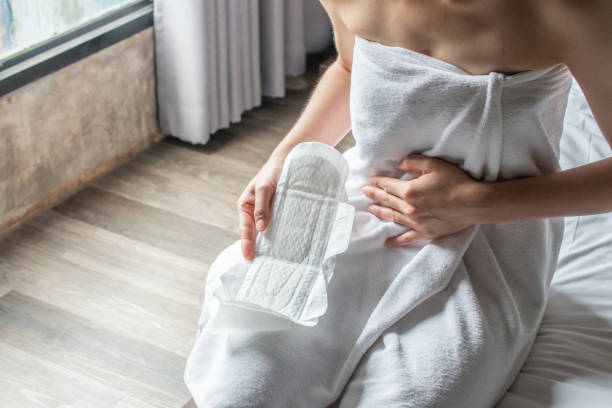
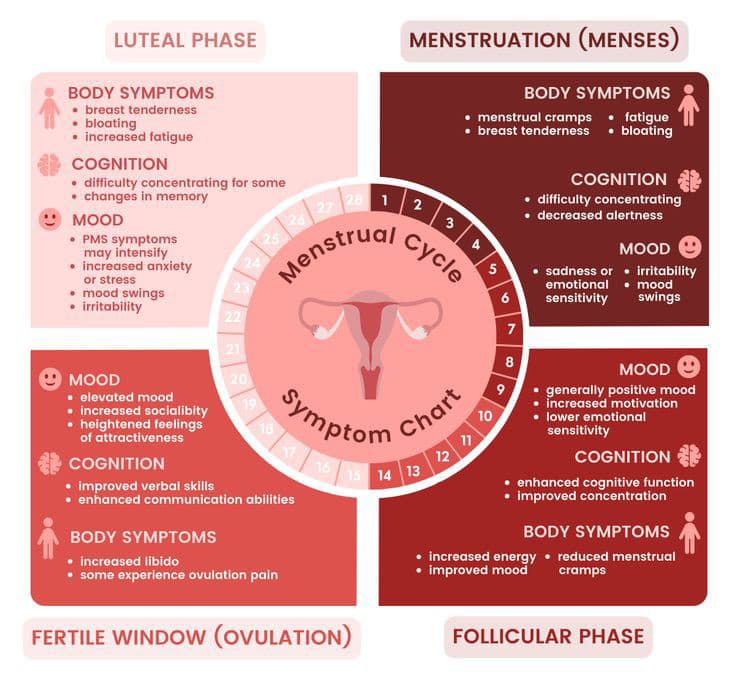
Menstruation isn’t just a minor inconvenience; for many students, it can be downright debilitating. Cramps, heavy bleeding, migraines, and those pesky hormonal mood swings can really throw a wrench in one’s daily life. However, exams, lectures, and deadlines never take a break for periods, even when students are grappling with intense pain or feeling emotionally drained. On top of that, the hormonal shifts during menstruation can cause anxiety, fatigue, and sometimes even lead to symptoms of Premenstrual Dysphoric Disorder (PMDD). To make matters worse, most academic systems don’t recognise menstruation as a legitimate health issue that deserves accommodations.
Another significant concern is menstrual poverty; the struggle to afford essential sanitary products like pads, tampons, or menstrual cups. For students on tight budgets or those relying on limited family support, buying menstrual products each month can be a real and big challenge. Some students even resort to makeshift alternatives like tissues, clothes, or papers, which are not only unhygienic but can also lead to infections. Even when products are affordable, access can still be a problem. Not all hostels or campus facilities offer clean bathrooms, running water, or sanitary bins and this is a relatable situation in the faculty and even in the University at large. These gaps in infrastructure make it even tougher for students to manage their periods with dignity and pride.
To elaborate the above, sanitation is a basic human right and a key element of public health. Unfortunately, having access to clean and safe bathrooms and toilets in the Faculty of Art and even in the University of Ibadan as a whole is more of a luxury than a norm. For both female students and the other students, being able to use hygienic restroom facilities isn’t just about comfort; it’s a crucial issue tied to dignity, safety, and health.
One of the most immediate effects of inadequate bathroom conditions is the increased risk of disease. Dirty toilets can be breeding grounds for bacteria and viruses like E. coli, Salmonella, hepatitis A, and norovirus, which can spread through contaminated surfaces and poor handwashing habits. When restrooms lack essentials like clean water, soap, or toilet paper, users become more susceptible and open to infections particularly Urinary Tract Infections (UTIs), gastrointestinal issues, and skin irritations. Now for those who menstruate, the risks are even higher in unclean toilets. Without clean surfaces, proper disposal options, and running water, the chances of infections rise due to the extended use of menstrual products or unsafe alternatives like tissue paper or cloths. Female students, in particular, may skip classes when their sanitary facilities are lacking.
Additionally, a poorly maintained restroom conveys a broader message; one of neglect and indifference. It suggests that the institution doesn’t prioritise students’ health or dignity. In contrast, clean restrooms communicate care and respect for the well-being of everyone on campus.
Moving on, the stigma surrounding periods can have serious psychological effects. The constant worry about staining, being ridiculed for mood swings, or facing mockery for “PMSing” only emphasises harmful stereotypes about femininity and bodily functions. What female students really want isn’t pity; they’re looking for respect, understanding, and freedom from unnecessary judgment. If female university students could speak with one voice on this issue, a few key messages would definitely come through.

First and foremost, they’d want everyone to realise that menstruation isn’t a choice, it’s a natural biological process. It’s not something to be ashamed of or considered dirty, and treating it that way only fuels harmful myths.
Next, it’s crucial to highlight the importance of empathy. Friends, classmates, and even professors should understand that menstruation can bring about considerable discomfort and emotional strain. Small gestures like refraining from teasing someone for carrying a pad or being supportive when a student asks to step out of class due to cramps can make a huge difference in fostering a caring atmosphere.These actions not only provide practical support for female students but also send a clear message that their health and dignity matter within the academic setting.
Periods aren’t something to be ashamed of. They’re not a sign of weakness. They’re a natural part of life, and for female students, they represent a monthly reality that calls for empathy, understanding, and institutional backing. It’s high time we normalised discussions about periods, break down the stigma, and ensure that no student has to choose between her education and her comfort. What female students really wish more people grasped is quite straightforward: menstruation is a natural process, and having support is vital.
Coincidentally, on May 28 of every year, the Menstrual Hygiene Day is celebrated. 28-day cycle – 5-day period = 28/5. This is a big shout-out to every woman, every young lady and every young girl tackling menstrual pain and its accompaniments. To every girl who has made it to class, passed an exam or managed to get out of bed while dealing with cramps, fatigue and all of those emotional rollercoasters. We see you and we admire your strength and resilience. We’re standing hard to “Break the Silence, Break the Stigma”.
P.S: The first image of this article should be referred to for more information.
 NASELS Press University of Ibadan
Leave a comment