Photo credit: googleapis.com
Lovina Ita
A lecturer of mine was teaching us about discourse and shared an anecdote about how two friends misunderstood each other due to differences in their languages. The story involved a Yoruba man and an Ebira man. The Yoruba man went to visit his Ebira friend at home. While there, the Ebira man, speaking to his father, said, “Ota mi de, Ada mi da” which means, “My friend is here. Where is my father?” However, to the Yoruba man, the phrase sounded like, “My enemy is here. Where is my cutlass?”. Mistaking this as a threat, the Yoruba friend jumped out of the house, fearing his friend wanted to attack him.
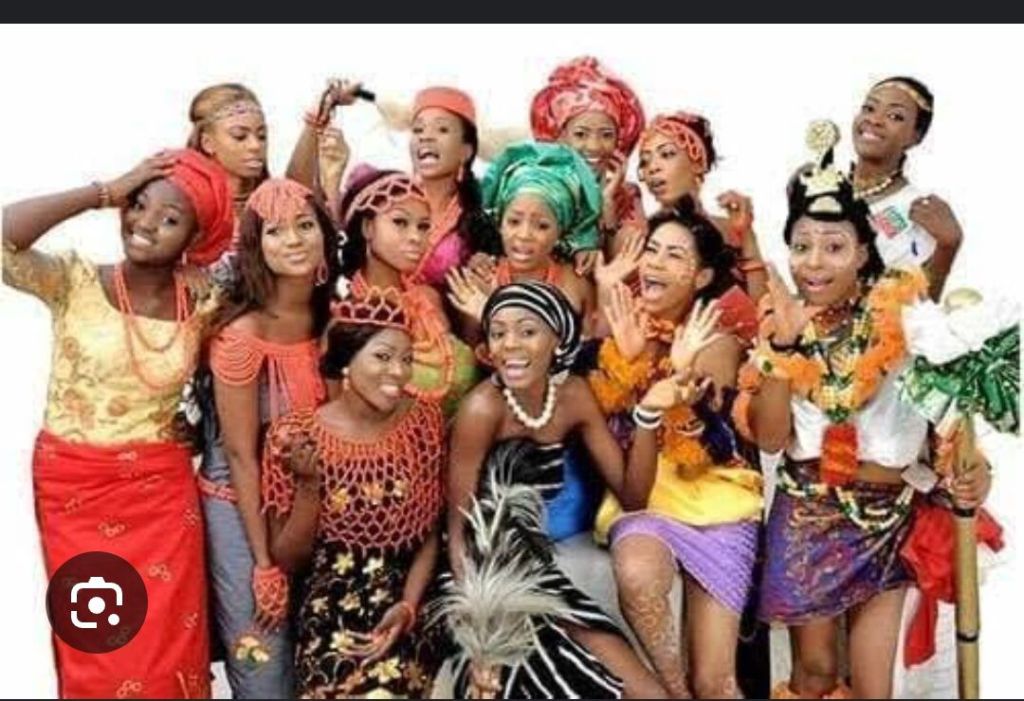
Nigeria is a country rich in linguistic diversity. According to Ethnologue, Nigeria has over 500 languages, many of which are interconnected. These connections arise from factors such as migration, trade, marriage, and other cultural exchanges, which have shaped linguistic similarities in tone, proverbs, greetings, and more. It is crucial to understand these shared features as part of our national identity and communication. These linguistic traits promote unity and understanding among Nigerians.
Yoruba is one of the major languages spoken in Nigeria, primarily by the Yoruba people of the southwestern region. It is also spoken in parts of Benin, Togo, and the diaspora, especially in countries like Brazil and Cuba due to the transatlantic slave trade. Yoruba is a tonal language with a deep dive into oral tradition, proverbs, folktales, and songs. The Yoruba language is deeply intertwined with the people’s cultural practices, religion, and identity. It is the primary medium of communication in traditional religious practices such as Ifá divination and festivals like Egungun. Yoruba is one of Nigeria’s three most widely spoken languages and serves as a lingua franca in many southwestern states, including Lagos, Ogun, and Oyo.
Ebira is a less widely spoken Nigerian language, primarily used by the Ebira people, who are predominantly located in Kogi State in Central Nigeria. Smaller groups in neighbouring states like Edo and Nasarawa also speak it. Like Yoruba, Ebira is a tonal language with three tones that determine meaning. The Ebira language is central to the community’s oral traditions, including storytelling, songs, and proverbs, which reflect their values and history. It plays a significant role in rituals, ceremonies, and traditional music, such as drumming during festivals. Ebira fosters unity among its speakers and preserves their cultural identity despite the dominance of larger Nigerian languages.
Yoruba and Ebira languages share some similar words, though their meanings may differ based on tone. For instance, the word “Oko” in Yoruba could mean husband, farm tool (hoe), or vehicle, depending on the tone, but in Ebira, it means hoe, a farming tool. Similarly, “Ola” in Yoruba means wealth or tomorrow, while in Ebira, it means to dazzle or shine. Words like “Ayo” in Yoruba mean joy or a traditional game, whereas in Ebira, it means enemy or hatred. Another example is “Ile,” which in Yoruba means house or land, but in Ebira, it means to lose or become lighter. Lastly, “Aga” in Yoruba means chair or seat, while in Ebira, it means rest or pause.
Proverbs are also an essential part of Yoruba and Ebira languages, reflecting shared values and cultural similarities. In Yoruba, the proverb “Iya ni wúrà” translates to “Mother is gold,” while in Ebira, “Iya kàràbà” means “Mother is precious.” Both proverbs use the term “iya” (mother) to signify love, care, and the invaluable role of mothers in society. Another example is the Yoruba saying, “Omi tí a bá máa mu, kò yẹ ká fọ ọwọ́ sínú rẹ̀,” meaning “The water you will drink should not be polluted.” This emphasizes the importance of protecting what is valuable. Similarly, the Ebira proverb, “Omi ni nyi má dáké, kò wọ égbé,” translates to “Water does not rush without a source,” which underscores that everything has a cause or beginning. Both proverbs use “omi” (water) as a metaphor for life and value, reflecting shared symbolic meanings in the two cultures. In Yoruba, the saying “Bàtà ní ń fọlẹ̀ nílé; kò lè fọ ilé lọ́wọ́” translates to “A shoe steps on the ground; it cannot clean the house,” which means one should know their limitations. Similarly, the Ebira proverb “Bàtà má tòkpó, kò tó èkpà” means “Shoes are not for climbing walls,” emphasizing that everyone has a specific role or purpose. Both languages use “bàtà” (shoe) to illustrate limits, highlighting a shared cultural understanding of human roles and boundaries.
The linguistic similarities between Yoruba and Ebira highlight important cultural, social, and historical connections. These shared traits suggest past interactions, such as trade, migration, and intermarriage, which have fostered shared values and mutual understanding. These overlaps promote unity by bridging ethnic divides and simplifying communication in markets and multicultural gatherings. They also reflect shared values like respect, hard work, and community living through similar proverbs and idioms.
Despite these shared features, tonal differences can lead to misunderstandings, as shown in the anecdote. It is important to be aware of these nuances to avoid confusion during conversations between speakers of Yoruba and Ebira. Understanding these linguistic connections not only enhances communication but also strengthens unity and cultural appreciation among Nigerians.
 NASELS Press University of Ibadan
Leave a comment