Ayobami Atanda
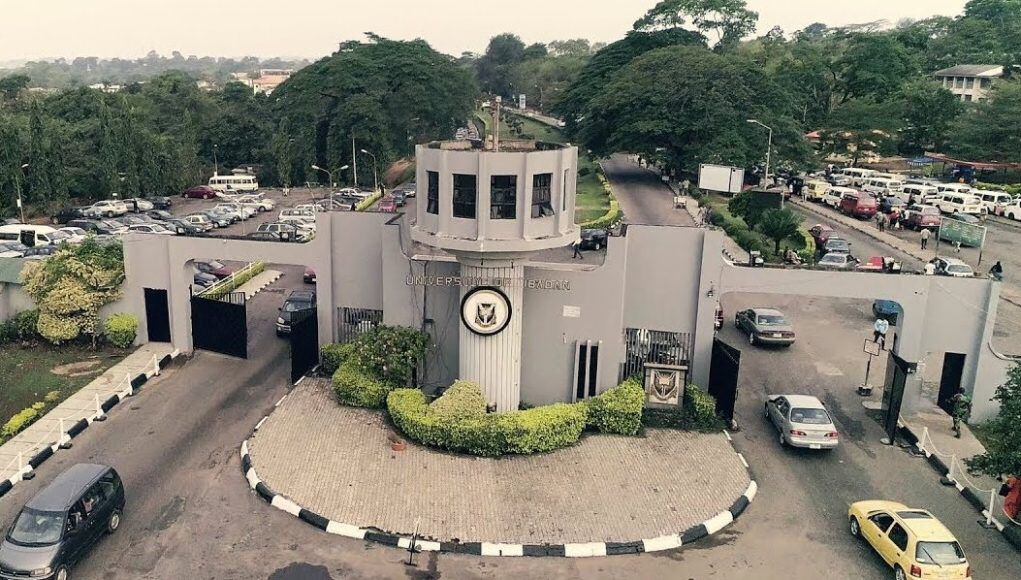
The calculation of the two disbursements by Nigerian Education Loan Funds (NELFUND) for the students of the University of Ibadan has shown that 4,653 students of the institution were beneficiaries of the student loan in 2024.
University Registrar, G.O Saliu, confirmed the receipt of N201 million through a circular from NELFUND for 1370 students’ tuition fees on August 9, 2024.
It reads, “The Nigerian Education Loan Fund has remitted the sum of N201m only to the university account for the 2023/2024 academic session. This amount is to cover the fees of 1,370 students of our university who applied for the NELFUND loan”
The second disbursement was made known on 13th September, 2024, by the Registrar in which he confirmed that 3283 student loan applications have been approved by NELFUND.
This indicates that 1 UI student in every 71 beneficiaries benefited from the student loan among the 335,000 students who obtained the loan funds across all institutions last year.
Akinsanya Sawyer, the Managing Director of NELFUND, told TVC on Wednesday that the federal government agency has disbursed N18.5 billion to institutions and N5.5 billion for 115 students for upkeep as reported by The Nations, which means that N24 billion was disbursed to institutions and individuals for 335,000.
“Currently, we have disbursed N18.5 billion to institutions. They have received that amount of money in their accounts. The upkeep is paid monthly. We have disbursed about N5.5 billion so far for students upkeep”
Reports have revealed that no fewer than 400 thousand students are being admitted into tertiary institutions every year from 2015, in which no fewer than 90 percent of them get admitted into Nigerian public institutions.
The report that 335,000 students benefited from the loan scheme in 2024 indicated that several students more than 70 percent of Nigerian students did not benefit from the loan even though the price of acquiring formal education in the country has increased rapidly in the last 12 months.
President Bola Ahmed Tinubu signed the Student Loan Act (Access to Higher Education) on April 3, 2024, to make education accessible and affordable for indigent students and bring stability to the Nigeria education system as a result of the incessant strikes by the Association of Staff Union of Universities (ASUU), which has gone on strike 16 times since 1999.
The highest education budget in Nigeria from 2016 to 2025 was 8.5% in 2020 during the administration of former President Muhammodu Buhari.
Successive Nigerian governments since 1999 have ceased to implement the 15% budget allocation for education stated by the United Nations Educational, Scientific, and Cultural Organization (UNESCO).
President Bola Ahmed Tinubu budgeted 7% of the annual budget on education in 2025. This is a development that has suffered many attacks from stakeholders, most especially ASUU, stating that the budget would not bring any changes in the country.
As it stands, the Nigerian education sector is underfunded by the government while the student loan has not been beneficial to the total Nigerian student populace. ASUU has threatened to go on strike while NELFUND stated in December that the loan would only be available for students studying professional courses in 2025.
Students in public tertiary institutions have to wait for events to unfold to know their fate whether they will continue seeing the four walls of their respective institutions or forfeit their studentships as it has been conspicuously seen and known that no hope is foreseen to salvage the dwindling of the Nigerian education system.
 NASELS Press University of Ibadan
Leave a comment