
Zenas Olanipekun
“Babalawo mo wa bebe…..alugbirin
Ogun to se fun mi le kan….alugbirin
To ni ki ma ma mu owo ba enu….. Alugbirin
Mo fo wo kan mo mu ba enu…alugbirin
Mo je tan, mo wa se kun gben du…..alugbirin.”
“Herbalist I have come to beg….alugbirin
The concotion you made for me…….alugbirin
That you told me not to put in my mouth….alugbirin
I touched it and put in my mouth….alugbirin
I ate it and my stomach became big….. alugbirin.”
The excerpt above is from one of the folktales about the tortoise. The folktale describes the tortoise’s disobedience and how he paid for it. Ijapa is a prominent figure in Yoruba folktales known for his cunning nature. This brought him the title or eulogy, “Ìjàpá Ọlọ́gbọ́n ẹ̀wẹ́.”(the cunning tortoise)
Humanity embodies the art of storytelling. This and many other things form the very essence of man’s existence. Oral literature is the cultural tradition of passing down creatively crafted stories, songs and other literary forms through verbal means rather than written text. Folktale is a fictional narrative rooted in the collective imagination of a preliterate community and that is passed down through generations to express societal values and cultural identity.
Moonlight folktales were powerful tools to educate, entertain and occupy children in the past. These folktales are usually told in the nights after the children have taken their supper. The children would sit in a mat and an elderly person usually would sit in their midst to tell the stories for the night. The light from the radiant moon usually added beauty to the scene of the storytelling.
It is disheartening to see that the culture of storytelling is gradually fading away in our society especially in the urban centres where parents are being occupied with work and running of life. Such parents leave their children to the mercy of modern communication gadgets. This article is however written to explore the metaphorical significance of ijapa in Yoruba Oral Literature.
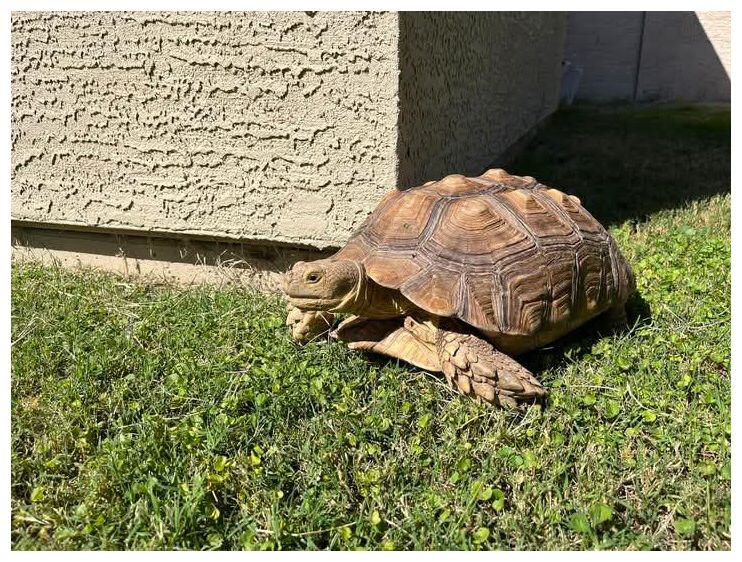
From the various tales that exist, the character of “ijapa” has to be the memorable one for its cunning and humourous escapades. Sometimes, many of us, while listening, would get so immersed in the stories that we found ourselves cursing the tortoise for its mischievous deeds, forgetting the tales were fictional. Ijapa is physically slow but quick witted. He often gains wisdom by studying fellow creatures in society.
The “ijapa” tales fall under the “Trickster tales.” The tortoise is seen as a trickster figure in Yoruba Oral Literature. It is best to say that the name “ijapa” is synonymous with “cunning,” “trickery” and “deception.” The trickster figure is a fascinating character archetype found in various cultures and traditions. The trickster figure is a character who uses cunning, wit, and deception to achieve their goals, often subverting expectations and challenging social norms. They are known to have wit and the ability to think on their feet. Tricksters can change their form, shape or identity to suit their purposes. Not only this, they are often unpredictable and can be both benevolent and malevolent.
The story of “Why the pig uses his snout to dig into the ground” proves the point that tricksters can change their form to suit their purpose(s). It was said that the tortoise needed money and he went to the pig to seek help. The pig agreed to help him by lending him some money. The tortoise thanked him and promised to repay the money. After a while, the tortoise did not pay back as promised. This made the pig pay him a visit. When the tortoise’s wife saw that the pig was coming, she told her husband who, through his cunning nature, told her to start grinding pepper on his shell. Tortoise’s shell became a grinding stone. The wife started doing that and the pig entered. The pig asked for tortoise, but the wife told him the husband was not at home. The pig searched the house and did not see the tortoise. In annoyance, he flung the grinding stone outside, not knowing it was the tortoise. The wife started crying and would not let the pig go unless he gave her the grinding stone back. The pig looked at the direction he threw the grinding stone and saw that it was a dunghill. Unknowingly, the tortoise had stood up and hidden himself. Hence, the pig started to use his snout to dig the dunghill, searching for the grinding stone. The pig still does that till today.
Ijapa’s wisdom and cunning nature in the above story serve as a metaphor for the importance of intelligence, strategy and adaptability in overcoming life’s challenges. As earlier stated, tricksters can be both benevolent and malevolent. They are not always predictable. His shell symbolises his defence and protection. He is weak physically, but strong mentally. He is a typical example of what people refer to as “small, but mighty.” Although the society upholds truthfulness and frowns upon deception or any form of cheating, tricksters, like the tortoise, often teach valuable lessons about cleverness, strategy and creative problem-solving. This emphasises one of the characteristics of tricksters that they are not predictable.
In conclusion, the tortoise’s antics, while frustrating, often led to thought-provoking conclusions, teaching us the complexity of human nature, highlighting the dualities of good and bad, wisdom and foolishness. In any of our human interactions, we should not be cunning in dealing with one another. Every of our winnings should be through honest toils and not through the crooked way.
Though folklore narratives may contain elements of beliefs, they are generally understood as fictional rather than factual accounts. Nonetheless, folktales serve important morals and aesthetic functions, shaping human understanding through storytelling and character development. These folktales are crafted with imaginative literary devices making them artistically rich.
 NASELS Press University of Ibadan
Leave a comment