
Olumurewa Damilola
There are various diseases and bacteria that plague the earth which human beings have to fight off everyday. One of such diseases is cholera. Recently, there has been an outbreak of cholera in Nigeria which quickly spread across the country. According to statistics, as of July 21, 2024, Nigeria has recorded over 4, 809 resulting in 156 deaths. What is cholera? Cholera is an acute diarrhoeal infection caused by indigestion of food or water contaminated with the bacterium vibrio cholerae.
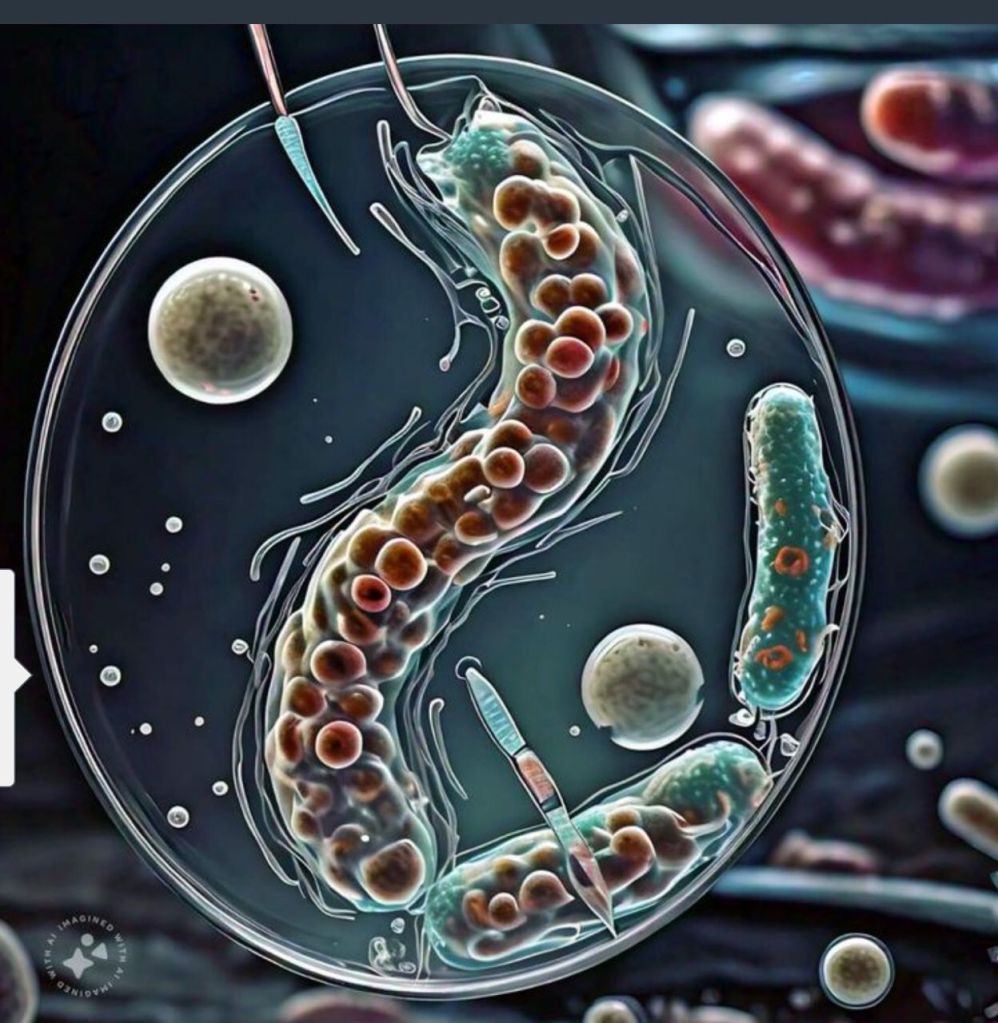
One might want to ask what really causes cholera. Well, a bacteria called vibrio cholerae causes cholera infection. The deadly effects of the disease are the result of a toxin the bacteria produces in the small intestine. The toxin causes the body to secrete enormous amounts of water leading to diarrhoea and a rapid loss of fluid and salt. It is important to note that the primary source of cholera infection is contaminated water supplies therefore, the bacteria can be found in contaminated public wells, uncovered boreholes, and co-contaminated tap water.
Moreover, it is not surprising that one can contact cholera in the littlest things such as eating undercooked food or leaving a food uncovered. Also, for a developing country like Nigeria, everything is susceptible to cholera including our grains, water, raw fruits and vegetables. So as a student, we should be careful on how we take the tap water because one might not know when last the tanks have been washed. Also, as regards leaving food open, rats and rodents are carriers of bacteria which aid the contamination of food and water so pots should be properly sealed.
Furthermore, it should be noted that everyone is susceptible to cholera but there are some factors that make one more prone and vulnerable to the disease such as; poor sanitary conditions such as dirty rooms and hostels, reduced or non existent stomach acid in the sense that stomach acid normally serves as a defence against infection but people with low stomach acid such as children and older adults are at a greater risk of cholera. Another one is living with someone who has the disease without knowing the person has and also, people with type O blood are twice as likely to get cholera compared to other blood groups for reasons that are not clear.
Having noted the ways one can get contaminated with cholera, how do one prevent it? One of the ways of preventing being contaminated with cholera is to cultivate the habit of washing one’s hands regularly with soap and water. As simple as it sounds it can keep one away from cholera. If soap and water are unavailable, one can use an alcohol based hand sanitizer. Also, precaution to take into consideration is to drink only safe water. Do not drink water running from the tap without knowing the last time it was treated. To be on the safer side, bottled water or boiled water you have disinfected yourself is advisable.
In addition, eat hot meals that are properly and completely cooked and served hot. If possible, avoid street vendors and if not, make sure the food is hot and cooked in your presence. Also, one should be careful of the fruits and vegetables one buys. The fruit should be one that you can peel by yourself and the vegetables should look fresh. Another precaution is covering every food cooked and warming them when they turn cold.
Another important information to bear in mind is to know the symptoms of cholera because without knowing them it would be risky to assume or treat another disease whereas it is cholera. One of the early stage symptoms is vomiting and it can last for hours but this is not enough to assume a cholera case coupled with other symptoms like dehydration. Signs of cholera dehydration include irritability, fatigue, sunken mouth, extreme thirst, low blood pressure and an irregular heartbeat and diarrhoea which causes dangerous liquid loss.
Finally, cholera can be fatal and it can easily lead to death within hours of contaminating it. Also people who do not receive treatment on time can die of shock and dehydration hours or days after the first symptoms appear. Therefore , cholera should not be treated with levity.
 NASELS Press University of Ibadan
Leave a comment