
Photo credit: Forbes daily
Lovina Ita
Lisa texted her friend, Zac, about some upsetting news that happened in the exam hall. She was implicated by a course mate who was talking next to her. Zac, wanting to show support, replied with “ I’m so sorry! That’s not nice 😂”(a laugh-crying emoji). Lisa was taken aback. Was Zac laughing at her situation? Infact, Zac had used the face with tears of joy emoji 😂 out of habit. To him, it meant nervous sympathy, as he often used it to lighten difficult situations but Lisa took it literally as laughter, seeing Zac’s response as insensitive. After some awkward clarifications, Zac explained his intention and they had a good laugh about how a single emoji could change the tone of a conversation entirely. It also showed them the importance of thinking twice about emoji use, especially in sensitive situations.
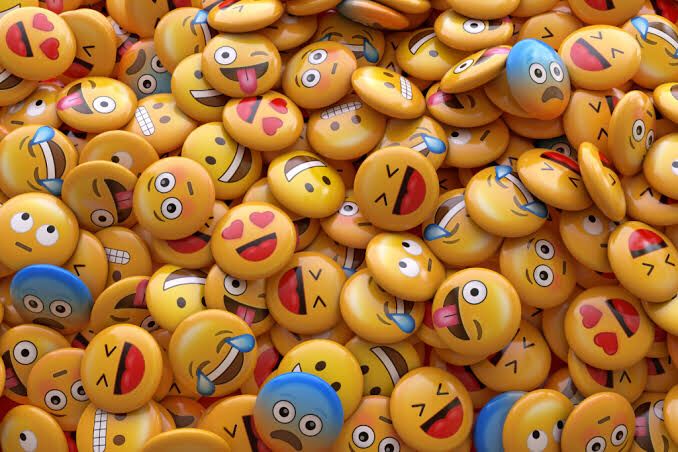
Emojis are digital images or icons used to express emotions, ideas, and feelings in electronic communication such as text messages, social media and websites etc. Emoji was coined from a Japanese word “e” (絵), meaning “picture” “moji” (文字), meaning “character” or “letter”. It is used to express oneself or fill various cues in a typed conversation. There are various types of emoji such as facial expressions, food, drinks, celebrations, weather, animals, nature, transportation etc. Emoji brings liveliness in a fun and concise way. It tells alot about who we are, and how we connect with each other as emoji has been ingrained into our vocabulary.
The earliest emoji can be attributed to Shigetaka Kurita. It is a graphic language and has become an important part of our media lexicon. Emoji can be used for various reasons; the most important is communication. It can be used to write gestures as it adds an additional meaning to words for emphasis.
There are several causes of emoji misuse, such as cultural differences; the folded hands emoji can mean prayer in some cultures, and gratitude or a request in others. Generational gap can also cause emoji misuse as different age groups may understand emojis differently. In addition, gender differences can influence the interpretation of emoji use. Men using “feminine” emoji such as ❤are often considered emotional or coquettish while the females who use less expressive emojis are considered cold and unwelcoming. Likewise, differences in how emojis appear across devices can also distort intended meanings.
The misuse of emoji creates misunderstanding on the level of language and socialization which creates problems for the addresser and the addressee. Here are some commonly misinterpreted emojis: Face with “tears of joy” 😂, it means laughter or finding something hilarious. It has been commonly misinterpreted as real tears, especially among older users unfamiliar with its humor usage. If used in response to sad news, it can come across as insensitive or as though the sender is laughing at a difficult situation potentially offending the recipient. The smirking face 😏 is a sly or knowing smile, often used to indicate a playful tone. It has been commonly misinterpreted as smugness, sarcasm or even malice. If used in a professional setting, it can be seen as disrespectful or overly familiar, possibly offending people or creating tensions. Folded hands 🙏 is often meant to represent prayer of gratitude. It is commonly misinterpreted as making a request. Face with rolling eyes 🙄 is usually used in response to something annoying or exasperating. It may be misinterpreted as light hearted or a playful expression. When used in response to a positive or neutral message, it can come across as rude or dismissive, potentially offending the sender of the original message. Upside-down face 🙃 is often used to indicate irony, sarcasm, or playful exasperation. It is seen as simple confusion, or disinterest. Using this emoji in response to serious messages may appear disrespectful or confusing, as the recipient might misinterpret it as lack of care or a non-serious attitude toward the topic. Nail polish 💅 is often used to signify confidence, self-care or not-bothered. Sending this in a conversation that isn’t about fashion could make the sender appear uninterested which can seem disrespectful.
Using emojis effectively requires understanding the contexts, audience, and meaning of each emoji. Here are some guidelines to help you use emojis thoughtfully and enhance your digital skills. Knowing your audience can help you understand a formal or informal setting. In a formal setting, the use of emoji should be limited as they can sometimes come across as overly casual or unprofessional.
Understanding different age and cultural backgrounds helps to interpret emojis differently. Understanding emojis can help avoid misunderstandings. Also, staying updated with meanings can help avoid misunderstandings as emoji meaning can evolve over time, especially as social media trends change. Familiarizing yourself with current meanings can help prevent accidental mis-interpretation and also following emoji up with words will help reduce ambiguity in its usage, helping to clarify intent.
 NASELS Press University of Ibadan
Leave a comment