
Deborah Olabode
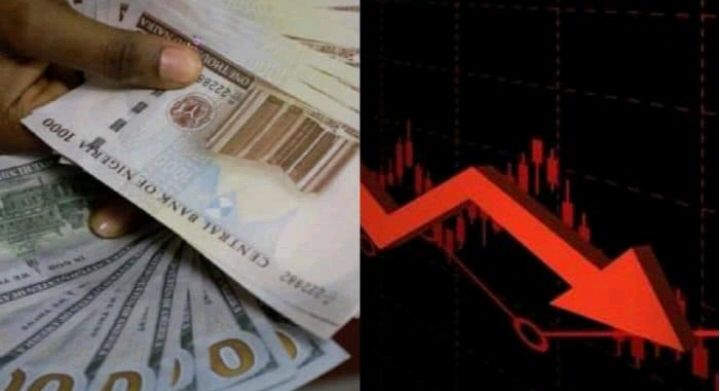
The Nigerian currency has experienced a significant decline in value, resulting in a high exchange of an average of 1 USD to 1500 NGN making imports expensive and exports uncompetitive. This unhealthy situation has caused a lot of harm to the image of Nigeria. The American business magnate and politician, Ross Perot observed that “a weak currency is the sign of a weak economy and a weak economy leads to a weak nation.” This more or less describes the current situation of the Nigerian currency.
Nigeria switched from the use of coins to the naira in 1973 as the newly introduced currency replaced the Nigerian pound at a rate of 1 pound to 2 naira. The motive behind the change was to have a more centralised currency and to promote national identity and unity. Recently, the naira has been experiencing a significant decline in value, making it one of the lowest-performing currencies in Africa.
The naira was declared the worst-performing currency globally by Bloomberg, a media company in 2020. The reasons behind this declaration were the high inflation rate, the naira’s free fall, and the country’s high dependence on crude oil.
The government has responded to the claim by assuring the public that measures are being taken to address the economic situation, including the implementation of economic reforms and the diversification of the economy. The government also claims that the naira’s decline is temporary and will soon recover. The government’s handling of the crisis has drawn criticism, with many calling for a more effective approach.
However, the lack of support and trust of citizens in the government’s management of the economy is one reason that has discouraged the government’s efforts to address the crisis.
A number of unpleasant things have happened as a result of the decline in the Naira. First, high inflation rates have affected the purchasing power of the Naira, making it less valuable. This has led to a severe shortage of important goods and services making Nigeria one of the countries with the highest inflation rates in the world. Second, the scarcity of foreign exchange has led to a high demand for the US dollar, causing the value of the Naira to decline further. Nigeria’s dependency on crude oil as the only means of production is affecting because it is not every time that the crude oil market is favourable. Despite efforts by the Central Bank to intervene, the currency continues to depreciate with Nigerians struggling to make ends meet. Businesses are shutting down, and unemployment is on the rise.
In addition, The decline of the Naira value has had serious implications on Nigerians, causing an economic recession in every sphere. The high exchange rate has made imports more expensive, leading to a costly way of living for Nigerians. The impact on the standard of living is evident, with many Nigerians struggling to afford basic needs like food, healthcare, and education. The decline of the Naira has made Nigeria unattractive for foreign investments, making it challenging for the country to attract foreign investment. No one wants to invest in a white elephant project. Importers are struggling to access foreign exchange, leading to severe shortages of essential goods. Local businesses are suffering too as they are unable to compete with cheaper imports. Nigerians are the ones feeling the hurt, as prices soar. The country’s economic future is looking bleak, leaving the world watching with concern.
All these issues require a swift response to curbing it involving both the government and citizens alike.
To address the decline of the Naira, effective measures should be put in place.
The country must have different options for foreign exchange instead of its dependence on crude oil exports. After all, there was a time in Nigeria when cocoa was massively produced and it helped to boost the economy. Other natural resources in Nigeria can be implemented for this same result. The government must also exercise fiscal discipline, by reducing its spending and borrowing. That is because borrowing money without a clear plan to repay the debt also affects the naira negatively. The government must promote foreign investment by creating a trustworthy environment for investors outside Nigeria. This will encourage them to put their money in Nigeria.
On this note, all hands should be on deck to ensure that the naira value does not keep declining. Citizens of Nigeria should give the government the support that is needed to promote the Naira. The government should also do well to exercise fiscal discipline, encourage foreign investment and improve foreign exchange.
 NASELS Press University of Ibadan
Leave a comment