
Aminat Adebowale
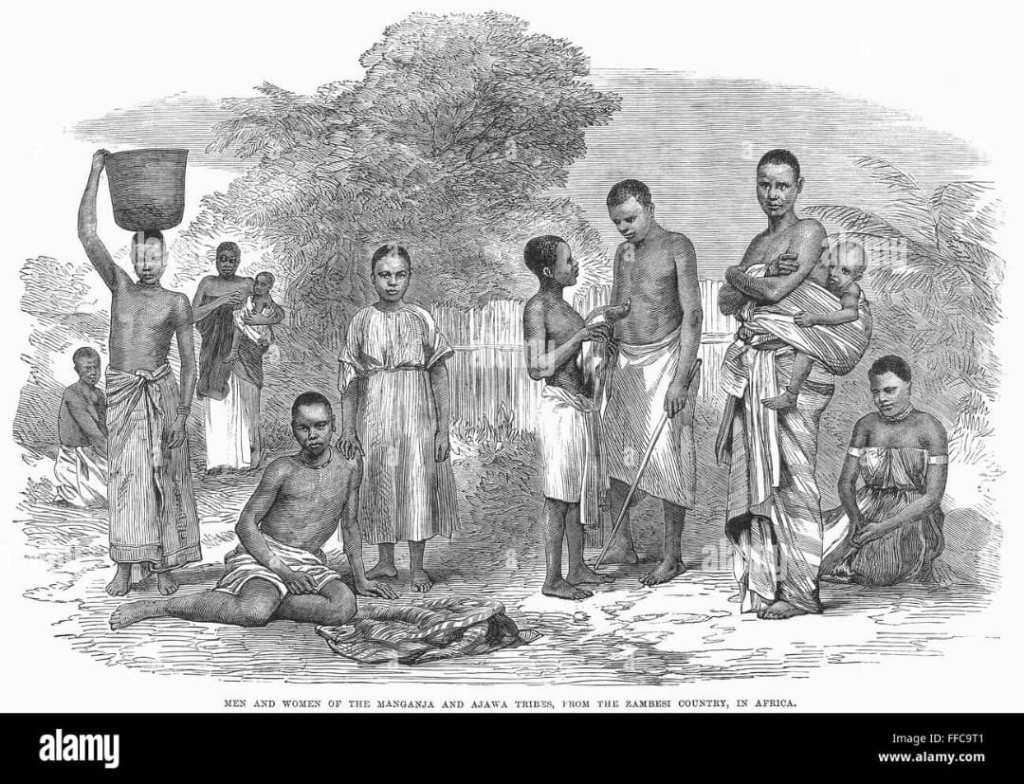
Photo credit: Alamy stock
Nestled within the vibrant cultural tapestry of Bauchi State, Nigeria, Ajawa stands as a language on the brink of extinction, with fewer than 50 speakers remaining. Ajawa belongs to the Chadic branch of the Afro-Asiatic language family, reflecting centuries of cultural heritage and historical narratives deeply intertwined with its community. Beyond its role as a means of communication, Ajawa serves as a conduit for traditional knowledge, stories, and customs that have shaped the collective identity of its speakers and fostered social cohesion within the community.
The challenges confronting Ajawa are multifaceted and daunting. Urbanisation and migration have significantly impacted its viability, drawing many Ajawa speakers away from rural areas to urban centres where dominant languages such as English and Hausa prevail. The economic opportunities associated with urban life further diminish the practical use of Ajawa, especially among younger generations who increasingly prioritise education and economic advancement through more widely spoken languages.
Intergenerational transmission of Ajawa is critical for its survival, yet this transmission is under threat. With a dwindling number of fluent speakers, there are limited opportunities for younger generations to learn and use Ajawa in everyday contexts. Formal education in Ajawa is scarce, and educational materials are minimal, or almost non-existent, exacerbating the challenges of preserving and revitalising the language within the community.
Efforts to document and preserve Ajawa are underway, driven by local community leaders, linguists, and cultural advocates who recognize the urgent need to safeguard this linguistic heritage. Projects to compile dictionaries, grammar guides, and recordings of oral literature aim not only to preserve linguistic structures but also to capture the cultural nuances and historical narratives embedded within Ajawa.
Educational initiatives within Ajawa-speaking communities seek to promote language revitalization among younger generations. These programs include language classes, cultural workshops, and storytelling sessions designed to instil pride in Ajawa heritage and foster a sense of identity among speakers. Cultural festivals and traditional ceremonies also play a vital role in revitalising Ajawa, providing platforms for its use and celebration within the community.
Despite these efforts, significant challenges persist. Limited resources, funding constraints, and competing priorities within the community often hinder sustainable language preservation initiatives. The rapid pace of societal change and globalisation continues to exert pressure on Ajawa’s viability as a spoken language, posing ongoing threats to its survival.
Ajawa’s cultural significance and heritage extends beyond its role as a language of communication. It serves as a custodian of unique cultural practices and traditions that have been passed down through generations within Bauchi State, Nigeria. Rituals, ceremonies, and communal gatherings are conducted in Ajawa, embodying the collective identity and historical narratives of its speakers.
For instance, Ajawa is intricately linked to traditional ceremonies such as weddings, rites of passage, and communal festivals. These events not only reinforce social bonds but also preserve ancestral knowledge and values that define Ajawa-speaking communities. The language itself carries linguistic markers and expressions that reflect specific cultural beliefs and worldviews, providing a rich tapestry of linguistic and cultural heritage.
Ajawa faces a myriad of challenges that threaten its survival as a spoken language. Urbanisation has resulted in significant migration of Ajawa speakers from rural villages to urban centres, where economic opportunities and access to education often prioritise dominant languages like English and Hausa. This demographic shift has led to a decline in intergenerational transmission, as younger generations opt for languages perceived to offer greater economic and social mobility.
Moreover, economic pressures associated with urban life marginalised Ajawa in practical contexts such as commerce, administration, and education. The language’s utility in these domains diminishes, further eroding its use among younger speakers who see proficiency in dominant languages as essential for success in modern society. As a result, Ajawa risks being confined to informal, familial settings, rather than thriving as a vibrant language of public discourse and cultural expression.
To illustrate the personal impact of Ajawa’s decline, consider the story of Musa, a young Ajawa speaker navigating the challenges of preserving his language and cultural heritage in a rapidly changing world. Musa recounts how his grandparents imparted Ajawa’s wisdom through storytelling sessions during childhood, instilling in him a deep appreciation for his cultural roots.
However, Musa’s educational journey in an urban school system introduced him to English as the primary language of instruction, relegating Ajawa to conversations at home with elderly relatives. Despite his efforts to maintain fluency, Musa faces challenges in finding peers with whom he can converse in Ajawa, reflecting broader societal trends of language shift and assimilation.
Comparative analysis of Ajawa with other endangered languages globally or within Nigeria highlights shared challenges and potential strategies for preservation. Similar to Ajawa, many endangered languages face pressures from urbanisation, globalisation, and economic integration. For instance, minority languages in urban centres often struggle to compete with dominant languages in educational and administrative settings, leading to decreased fluency and usage among younger generations.
Successful preservation efforts in other regions offer valuable lessons for Ajawa’s revitalization. Initiatives such as language revitalization programs, community-led documentation projects, and advocacy for language rights have proven effective in sustaining linguistic diversity and cultural heritage. By adapting these strategies to Ajawa’s unique context and engaging local communities in language preservation efforts, there is hope for revitalising Ajawa as a living testament to Nigeria’s linguistic diversity.
Ajawa stands at a crossroads between preservation and peril, embodying the intricate interplay of language, culture, and identity within Bauchi State, Nigeria. Its cultural significance and heritage are invaluable assets that enrich Nigeria’s linguistic landscape, offering insights into the diverse traditions and historical narratives of Ajawa-speaking communities.
Stakeholders must prioritise collaborative partnerships between local communities, governmental agencies, NGOs, and linguistic experts as efforts to document, revitalise,and promote Ajawa. These partnerships can facilitate sustainable initiatives that empower Ajawa speakers to reclaim and celebrate their linguistic heritage, ensuring that future generations inherit the wisdom and cultural legacy embedded within this endangered language.
Ajawa’s journey serves as a poignant reminder of the urgent need to preserve and protect linguistic diversity worldwide. By supporting Ajawa’s survival, we uphold the fundamental human right to cultural expression and affirm the intrinsic value of languages as vital components of global heritage and collective identity.
 NASELS Press University of Ibadan
Leave a comment