
Adeoye Lois
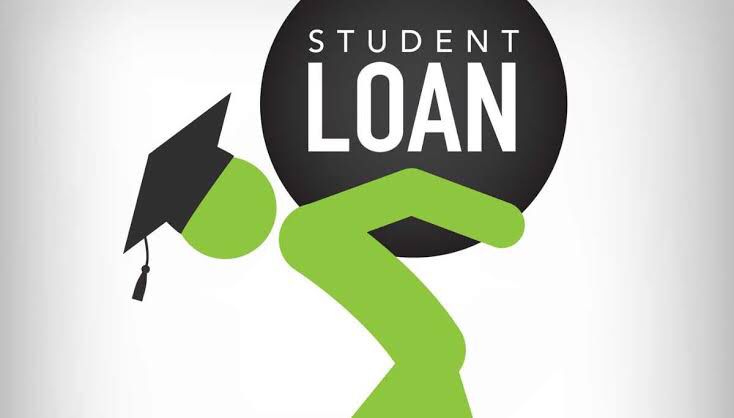
George Washington Carver says “Education is the key to unlock a golden door of freedom” but what good is the key to freedom if it entraps us in a lifetime of debt?
On June 12, 2023, President Bola Ahmed Tinubu signed the Student Loan Bill into law, a significant step towards improving access to quality education. First introduced by former Speaker, Femi Gbajabiamila in 2016, this legislation fulfills a key promise made by President Tinubu in his manifesto as the All Progressives Congress presidential candidate. The president had pledged to “pilot a student loan regime” aimed at expanding access to education for all Nigerians, regardless of their background or socio-economic status.
The president’s signing of the Student Loan Bill into law has been met with widespread applause from citizens, bringing momentary joy to the nation, particularly among the impoverished. This initiative is a significant positive development, mirroring practices in developed countries where student loan programs have been successfully implemented. This law aims to alleviate financial burdens, enabling students from low-income families to pursue higher education without worrying about tuition fees. The online application process which is seamless and open to all has instilled hope in many, fostering a sense of government care and support for all citizens, regardless of background or socio-economic status.
Despite the initial enthusiasm, it’s essential to reassess the feasibility of the student loan program in Nigeria, considering the country’s current economic landscape. Since 2022, the economy has experienced a sharp decline, triggered by subsidy removal, leading to skyrocketing prices, inflation, and a significant impact on businesses, including higher education institutions. The government’s reduced funding for these institutions has resulted in school authorities increasing tuition fees, placing a greater burden on students. This reality check raises concerns about the sustainability and effectiveness of the student loan program in the face of Nigeria’s economic challenges.
Many institutions have hiked their tuition fees to exorbitant levels, forcing students to bear the brunt of funding education in public universities, which is essentially the responsibility of the federal government. Instead of shouldering this burden, the government has opted to provide meagre support by introducing student loans. This shift in responsibility has placed an undue financial strain on students, who are now forced to take on loans to cover the costs of their education, a situation that could have long-term implications for their financial stability and future prospects.
The repayment policy for the student loan, set to commence two years after NYSC, poses a significant concern. With widespread unemployment, many graduates are forced to return home, dependent on their parents. The loan repayment will add pressure on these graduates, burdening them with debts of millions of naira, with no clear means of repayment. The meager salaries of teaching jobs, with some earning as low as #10,000 to #20,000 naira per month, makes loan repayment a daunting task. This raises questions about the government’s intentions, as the loan scheme may perpetuate poverty and entrap the Nigerian youth in a cycle of debt.
Moreover, it’s likely that many beneficiaries of this loan will be unable to seek better opportunities abroad, as the loan’s repayment terms may limit their ability to travel or relocate. This could lead to a situation where thousands of young Nigerians are trapped in the country, burdened by debt, and unable to pursue their dreams or contribute to the global economy. The loan scheme may inadvertently become a barrier to their freedom and progress.
While the student loan initiative has its drawbacks, it’s important to acknowledge that similar programs have been successful in developed countries. If the Federal government can complement this initiative by creating more employment opportunities and expanding the job market, Nigeria might be on the move to a brighter future. By doing so, the student loan program can be transformed from a potential debt trap into a lifeline for students, providing them with the financial support they need to succeed without the burden of unmanageable debt. With the right policies and investments in place, Nigeria’s youth can thrive and contribute to the country’s growth and development.
 NASELS Press University of Ibadan
Leave a comment