
Ayobami Atanda
On May 29, 2023, after being sworn in as the fifth President of Nigeria since the return of democracy in 1999, President Tinubu declared the immediate removal of subsidies on fossil fuels. This marked an end to 46 years of the central government subsidising the prices of hydrocarbons in Nigeria since its institutionalisation in 1977. This decision came after the promulgation of the Price Control Act, which regulated prices for certain products. Until the President’s speech, Nigerians had enjoyed fuel subsidies, being citizens of the largest oil-producing country in Africa and eleventh in the world.
However, the President’s speech caused a sudden and significant increase in fuel prices, which soared from N195 to N500 naira, making it seem like oil marketers were ready for the subsidy removal. The exorbitant hike in fuel prices led to the rapid inflation of prices of goods and services, plunging the most populous black nation into inflation and causing untold hardship to the masses. It is essential to note that the price of one litre of petrol was only N0.5 in 1977, during the period of Olusegun Obasanjo, a military head of state, and it did not rise to a naira until 1992 in the regime of Ibrahim Babangida when the price went from N0.70 to N3.25.
To worsen the ripple effect of the fuel subsidy removal, there was a rapid increase in the dollar to Naira rate. President Tinubu met the exchange rate at 464.51 naira to 1 dollar at the official market, while it was 762 naira at the parallel market. However, the exchange rate of naira to the dollar at the official market is 1607.00 now, less than a year into President Tinubu’s administration, representing a more than 250 per cent increase in the exchange rate. The introduction of some policies, such as the floating naira and the use of a parallel market, have proven ineffective, as the value of the naira keeps dwindling while the dollar becomes stronger day by day. Being an export-led economic country, Nigerians are compelled to buy foreign goods at exorbitant prices due to the devaluation of the naira since they purchase them with dollars.
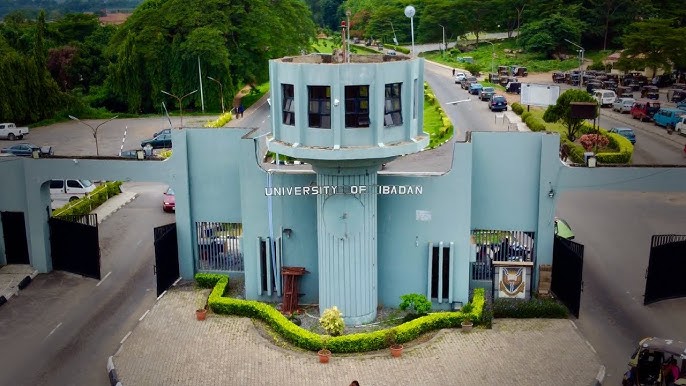
The hardship caused by the current economic situation in Nigeria, where there are over 88.4 million extremely poor people who spend less than 1.90 dollars per day, has reached the University of Ibadan. The students are not exempted from the economic chaos but are the major victims of its effect since they depend on allowances from their parents or caregivers. As disproportionate inflation continues to plummet the nation’s economy and cripples the people’s purchasing power, University of Ibadan students face a herculean task to battle for survival amid the humongous academic stress.
To determine how UI students are coping with the nation’s present economic challenges, the NASELS Press sent out a questionnaire on February 16, 2024, and 90 per cent of the respondents were UI students. The current economic reality of the respondents was as follows: 10 percent good, 30 percent bad, 20 percent very bad, and 40 per cent extremely bad. No one indicated that their present financial state was extremely good or very good.
While the respondents are anonymous, they include their levels and departments. Except for a few people, they lamented over their economic meltdown. They all stated their plight and coping mechanisms amid the current economic hardship.
Some respondents revealed that they have been coping by minimizing their spending and reducing how much they eat. For instance, a 500-level student of Veterinary Medicine said, “Everything is damn expensive. I have adjusted the way I take my meals daily. It’s now two meals per day instead of three. My focus is only to survive now on the little I can afford. I seldom buy any other things unless it’s very compulsory.”
A 100-level student of the Department of English wrote, “The situation of the economy has been unpalatable. Food allowance is insufficient because of the cost of things; you can’t eat what you want because it would cost too much. You can’t even buy all the necessary materials for your studies because of the hike in the prices of books and other materials. The thought of the economy brings one’s spirit down, and there is often a lack of motivation to do things.”
Another student revealed, “I’ve been trying to manage everything I have. Also, I try not to overspend money by buying the necessities, but then, I am not encouraged at all because the economy keeps getting worse.”
A student lamented, “Surviving has been a great challenge for me. There’s not always enough money. I came back from home with little food. Now the foodstuffs have finished. With the extremely high price of goods these days, one spends so much money to get a very small amount of food. It hasn’t been easy, but I thank God for life.”
The analysis of the responses to the questionnaire showed that 10 percent of the respondents have satisfactory financial situations, while the majority face various levels of economic hardship.
 NASELS Press University of Ibadan
Leave a comment