
Esther Ogunleye
Tarana Burke, who started the MeToo Movement, was born on the 12th of September, 1973, in New York, United States. She started the movement in 2006 to help and assist survivors of sexual violence, especially females of colour. Tarana started using the phrase “Me Too” to build a sense of empowerment through empathy and created a safe place for survivors to share their stories.
Tarana J. Burke asserts that “Me too” is more than just a moment in time. As the founder of this vital and growing movement, and as someone who has been organizing within issues facing black women and girls for more than three decades, Tarana has a commitment and vision that is bigger than any hashtag or viral moment.
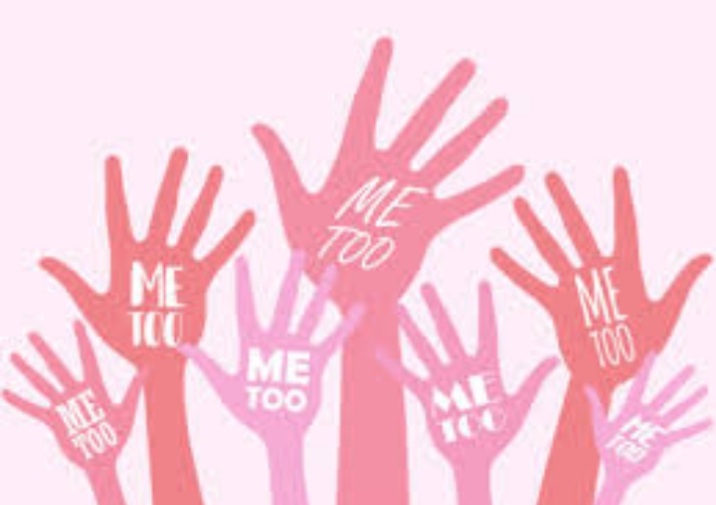
The Me Too movement has emerged as a powerful force, reshaping societal norms and challenging long-standing systems of power and oppression. Originating as a hashtag on social media in 2006, it gained significant momentum in 2017, following allegations of sexual misconduct against Hollywood producer Harvey Weinstein. Since then, it has transcended boundaries, sparking conversations worldwide about the prevalence of sexual harassment and assault across various industries and communities.
The roots of the Me Too movement can be traced back to the civil rights and feminist movements of the 20th century, which laid the groundwork for addressing issues of gender inequality and discrimination. However, it wasn’t until the digital age that survivors found a platform to share their stories and amplify their voices on a global scale. At its core, the Me Too movement seeks to encourage survivors to speak out and share their experiences, the movement empowers individuals to reclaim their agency and assert their rights to bodily autonomy and respect.
The movement advocates for holding perpetrators accountable for their actions, regardless of their status or influence. This includes not only legal consequences but also societal condemnation and professional repercussions. It raises awareness about the prevalence of sexual harassment and assault, challenging the notion that such behavior is rare or isolated. Through education and advocacy, it aims to dismantle the culture of silence and stigma surrounding these issues.
Recognizing that experiences of sexual violence intersect with other forms of oppression, such as race, class, and sexuality, the movement strives to be inclusive and intersectional in its approach, amplifying the voices of marginalized communities. The Me Too movement has had a profound impact on various aspects of society including sparking a cultural reckoning and prompting discussions about consent, power dynamics, and toxic masculinity in media, politics, and everyday interactions. It has challenged entrenched attitudes and norms, leading to greater scrutiny of behavior and attitudes that perpetuate sexual violence.
The movement has spurred legislative reforms aimed at strengthening protections for survivors and improving avenues for seeking justice. This includes extending statutes of limitations for reporting abuse, implementing mandatory training on sexual harassment prevention, and revising workplace policies to foster safer environments. It has prompted organizations to reassess their internal cultures and practices regarding harassment and misconduct. Many companies have implemented new policies and procedures for addressing complaints, prioritizing accountability and transparency.
Also, Me Too has fostered a sense of solidarity among survivors and allies, creating networks of support and advocacy. This collective mobilization has enabled individuals to come forward with their stories, knowing that they are not alone and that their voices matter.
Despite its successes, the Me Too movement faces ongoing challenges, including backlash, skepticism, and the need for sustained momentum. Moving forward, it is essential to address these challenges by fostering allyship, centering marginalized voices, and continuing to push for systemic change.
The Me Too movement represents a watershed moment in the fight against sexual violence and gender inequality. By amplifying the voices of survivors and challenging systems of power and oppression, it has sparked a global conversation and catalyzed tangible change. However, the work is far from over, and it is incumbent upon all of us to remain vigilant and committed to creating a world free from sexual harassment and abuse.
Above all, it has undeniably reshaped societal norms and brought about significant change in the way we perceive and address sexual harassment and assault. It serves as a reminder of the power of collective action and the importance of standing up against injustice in all its forms.
 NASELS Press University of Ibadan
Leave a comment