Ogunleye Esther
This is a powerful call to action for responsible stewardship of our country, Nigeria. We used to be Africa’s pride, her giant, her beauty, her glory…What changed?… Our land flowing with milk and honey supposed to provide refuge and succor has turned into an abyss of scary pits that swallow her citizens.
The Nigerian economy, characterized by its vast resources and potential, stands as a testament to the nation’s opportunities and challenges. The phrase “Ours to plough, not to plunder”, conveys the imperative for responsible and sustainable economic development.
Nigeria, endowed with abundant natural resources such as oil, gas and, a buoyant nature, and a young, dynamic population, has the potential to become an economic behemoth. However, historical obstacles including corruption, greed, mismanagement, and covetousness have hindered her progress.
This article effectively underscores the necessity for a shift from exploitative practices and policies and emphasizes the strategic cultivation of economic resources and responsible government. By ploughing resources into sustainable development, Nigeria can foster economic growth and build a foundation for securing a prosperous future for her people.
The Nigerian economy, often referred to as the giant of Africa, stands at a critical juncture where the choices made today will shape its future trajectory. The phrase “Ours to plow, not to plunder” encapsulates a profound call to responsible stewardship of the nation’s economic resources. In examining the intricacies of the Nigerian economy, it becomes evident that sustainable development requires a commitment to cultivation rather than exploitation.
Furthermore, a commitment to transparency, accountability, and responsibility is paramount to prevent the plundering of public economic resources. Through effective governance, Nigeria can attract foreign investments, improve local innovations, and unleash the full potential of her human capital.
Moreover, a crucial step towards transforming the Nigerian economy is to invest in infrastructure. This includes things like roads, railways, airports, and power plants. By investing in infrastructure, the government can help to attract investment, create jobs, and boost economic activity. Investing in critical infrastructure can facilitate economic activities and attract both domestic and foreign investments.

To elaborate further, the Nigerian economy should be seen as something that needs to be nurtured and developed for the benefit of all, rather than simply plundered for short-term gain. Too often, the economy has been subject to corruption, mismanagement, and waste. This has led to a lack of investment in key sectors, such as infrastructure, education, and healthcare. As a result, many Nigerians have been left behind and are struggling to make ends meet.
The Nigerian economy has been subject to much debate and discussion in recent years. Many have argued that the economy is in dire straits, with high levels of poverty and inequality, and a dependence on oil revenues. However, I believe that with the right policies and initiatives, the economy can be transformed and developed to benefit all Nigerians.
In the context of natural resource extraction, the phrase advocates for sustainable practices that preserve the environment for future generations. Plundering natural resources without regard for environmental consequences can lead to irreversible damage. Responsible resource management, including diversification beyond oil, can mitigate the environmental impact and ensure the longevity of these assets.
“Ours to plough, not to plunder” serves as a guiding principle for Nigeria’s economic trajectory. The nation must harness its resources responsibly, focusing on sustainable agriculture, responsible governance, social equity, and environmental preservation. By doing so, Nigeria can transform its economy, unlocking its full potential and securing a prosperous future for its people.
The concept of “not to plunder” extends beyond economic diversification and human capital development. It calls for transparent and accountable governance, prudent fiscal management, and the eradication of corruption. The mismanagement of public resources has, in the past, hindered the country’s economic progress. To plough the economic fields effectively, Nigeria must enact and enforce policies that promote accountability, discourage corruption, and ensure that public funds are utilized for the greater good.
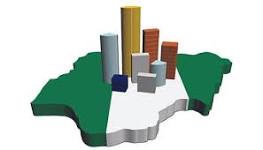
In conclusion, the Nigerian economy stands as a vast field awaiting cultivation. The choice to plough, not to plunder, echoes a vision of responsible and sustainable development. Diversification, human capital investment, transparent governance, and anti-corruption measures are the plows that can turn the soil of Nigeria’s economic potential. By making deliberate choices today, Nigeria can pave the way for a prosperous and resilient future, truly making the economy “ours to plough.”
 NASELS Press University of Ibadan
Leave a comment