Bamidele Imisioluwa
“Our Renewed Hope Action Plan outlines goals for greater economic growth in our cities and rural communities. We are committed to an economy of double-digit GDP growth, greater food security, and one with a strengthened manufacturing base, as well as an active digital economy where young people will have ample space to fulfill their dreams and aspirations”.
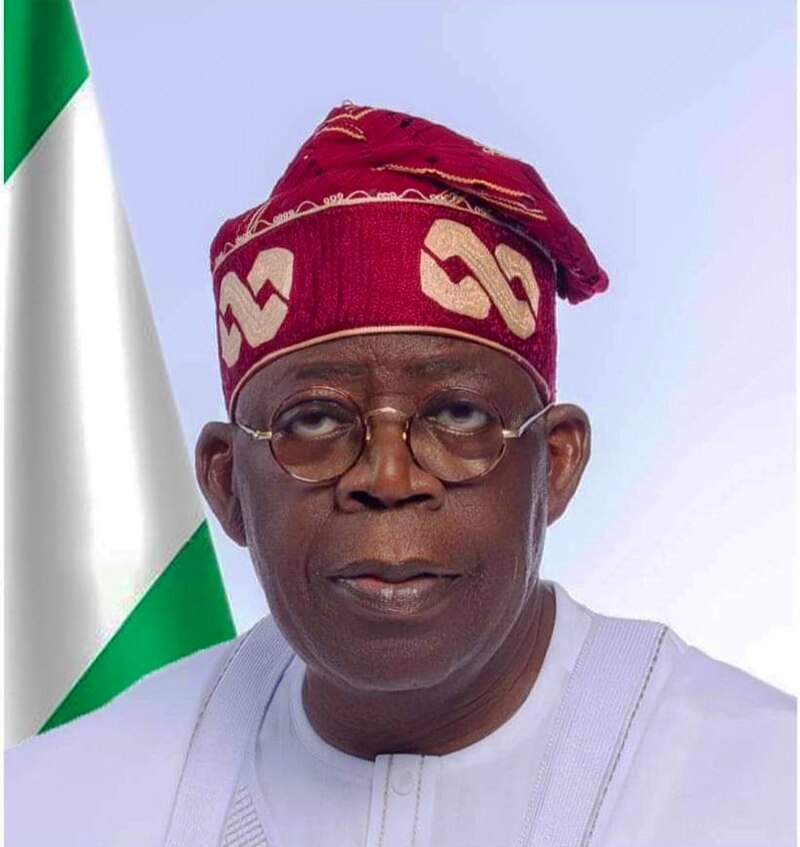
Upon his election as the President of the Fede3ral Republic of Nigeria, Asiwaju Bola Ahmed Tinubu gave a rendition of his “renewed Hope” agenda and the reforms that he would carry out in the country raising the hopes of Nigerians that the grass would be green again. But, it is sad to comment that it has been only six months of his administration and it feels like a recycling of the woes we thought we had escaped from.
Trouble started on the day of his inauguration when he announced that the subsidy would be removed, and the citizens had barely processed the information when independent marketers increased their fuel pump price to 500 naira from 250 naira, increasing the pains of Nigerians. There was a spark of outrage across all media in the country, but it cut no ice- Nigerians now have to pay more for fuel, and the days of subsidy are over.
Nigerians adjusted quickly to the new change, and this hurt goods and services in the country as there was a sharp price increase. Prices of commodities that sold for about 100/150 naira shot up to 200/250, and the blame was on the increase in fuel.
If it stopped at subsidy removal, it would have been okay but it soon hit our currency. Before Tinubu assumed the position of the President, the Naira had been crumbling and rising. Sometimes, the exchange rate went as high as exchanging at 1000 naira for $1 in the black market, then it would crash to around 900.
Nigeria’s currency depreciated by 57.45 percent against the dollar on the official foreign exchange market in the eight-year tenure of President Muhammadu Buhari. But, during Jonathan’s administration, it wasn’t so, the exchange rate was between 150 nairas and 190 naira to $1- Central Bank of Nigeria rate, and everyone lived their normal lives without any financial pressures. But it got worse in the administration that succeeded Jonathan.
Inflation was also not spared as prices rose by over 77.8 percent when Buhari came to power. Inflation has since 2015 risen from 9.01 percent (average number in 2015) to 16.02 (average so far in 2022).
When inflation rises, the cost of living increases, and the standard of living deteriorates. According to analysts, more people are pushed into the poverty class with a rising inflation rate.
Tinubu soon carried on the legacy that his predecessor, Buhari had laid down, increasing the cost of living and reducing the standard of living of the people leaving the masses hapless and hopeless. It suffices to say that Nigerians have fared the worst under Tinubu’s administration. In October, Naira was close to exchanging 1300 naira for $1, the highest in a long time.
Businesses have had to shut down, and companies have had to lay off workers due to the harsh economic realities. The finances of the common man crumbled, and everything seemed to only get worse with each passing day.
Nigerians have been left to lick their wounds as nobody saw this coming. This “renewed Hope” was more than what they asked for. But, maybe if Nigerians had asked the right questions when the President was parading the gospel of “renewed Hope”, we would have seen beyond the unsaid words.
 NASELS Press University of Ibadan
Leave a comment