
Ibitunde Favour Anjolaoluwa.
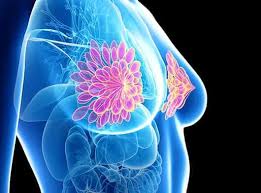
The month of October is known as Pink October, as it has been dedicated to create awareness about Breast Cancer and this tradition has lasted for the last 90 years. The 19th day of the month is called “International Day against Breast Cancer.” October became the ‘Breast Cancer Awareness’ month in October, 1985. The 13th day of the month is popularly known as “no bra day.” This is to create more awareness and to sympathize with those already living with the disease. It started as a partnership between the American Cancer Society and the pharmaceutical division of the Imperial Chemical Industries to promote mammograms as the most effective tool to fight breast cancer. During the month of October, people use a pink ribbon or anything with the pink color to create awareness about the health of the breast.
Cancer is a disease and breast cancer is one of its many types and it occurs when the breast cells mutate and turn to cancerous cells that swallow the normal cells and form tumors. These cancerous cells can spread to other parts of the body. Although it is generally believed that Breast Cancer is limited to the female gender, it has been discovered that people of the male gender can also be affected. However, this is not as common as it is with the female gender.
There are different kinds of breast cancer. The two most common kinds are Invasive ductal carcinoma and Invasive lobular carcinoma. Invasive cancer cells are most likely to spread to other parts of the body.
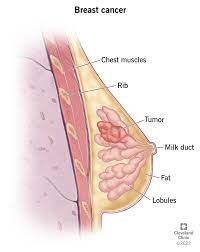
In a case of Invasive ductal carcinoma, the cancer cells begin in the ducts and then grow outside the ducts into other parts of the breast tissue.
For Invasive lobular carcinoma, cancerous cells grow in the lobules and then spread to nearby breast tissues.
What are the symptoms of breast cancer?
The symptoms of breast cancer differ in different people. It has been discovered that some people do not have any signs that this dreadful disease is present in their body. Some of these signs do not necessarily mean breast cancer is present in the body, but it is important to see if the signs are recurrent before concluding.
Some of the signs to look out for are:
i. The forming of a lump in the breast or armpit.
ii. Irritation or formation of dimples on the breast.
iii. Discharges from the nipple, apart from breast milk, including blood.
iv. Changes in the breast size or shape.
v. Pain in the nipple or any area of the breast.
vi. Redness or flaky skin in the nipple or the breast.
Causes and Risk Factors of Breast Cancer.
It is normal to be curious about the causes of breast cancer, but the exact cause of breast cancer is unknown. It is only certain that breast cancer is caused by a damage to a body cell which then spreads to other cells.
Risk Factors.
Just like the symptoms of breast cancer differ between people, the risk factors also differ. The major factors that influence one’s risk of being a victim of breast cancer include being a woman and getting older. These are uncontrollable factors, but it is also key to note that having a risk does not necessarily mean that one will get the disease. There are some risk factors that are uncontrollable, while some are controllable.
Uncontrollable factors include;
1. Aging.
2. Inherited mutation (family history of women with breast cancer)
3. Reproductive history (early menstruation and late menopause)
4. Use of radiation therapy in previous treatment.
Controllable factors include:
1. Lack of physical activities.
2. Obesity after menopause.
3. Excessive intake of alcohol.
4. Reproductive history (getting pregnant for the first time after age 30, not breastfeeding, never having a full-term pregnancy).
Breast Self-Examination:
Breast self-examination is a method you can use to monitor your breasts to see if there are changes in your breasts. While practitioners agree that mammograms are the best screening tools to detect breast abnormalities, being able to do a self examination is also important as it helps to familiarize one with her breasts and it helps with early detection of lumps.
You can do a breast self examination by sitting or standing naked (in the upper part of the body) in front of a mirror with your arms at your sides. With the flats of your three middle finger, check the entire breast and armpit area, pressing down with light, medium, and firm pressure. Check both breasts each month, feeling for new lumps, thickenings, hardened knots, or any other breast changes.
Breast cancer is a serious disease, but it is also one that is highly treatable, especially when detected early. There have been significant advances in breast cancer research and treatment in recent years, and the survival rate for breast cancer patients is higher than ever before.
Despite the progress that has been made, breast cancer remains a major public health problem. It is important to continue to raise awareness of the disease, encourage women to get regular mammograms, and support research into new and better treatments.
 NASELS Press University of Ibadan
Leave a comment